
This page of my website will contain a mix of various research discoveries and other notable parts of my acting/character process throughout this production.
Throughout the entire process, I did much exploring into what feminine mannerisms and polite behavior looked like in the 1950s. Along with how to properly move in my clothing as though it was familiar and normal to me, I learned several interesting things about the specific ways in which manners mattered up for women:
- Public manners were drilled into the heads of children, young adults, and adults alike; to grow a docile, polite, community of people.
- Gossip was frowned upon in public spaces, but that often did not stop men from sharing the occasional scandalous story with their friends while sharing a drink at a bar–or women from spreading a few rumors at their book club or game nights.
- Keeping a level head is entirely dependent on punctuality and preparedness.
- Women would typically never apply makeup or do their hair in front of men (or most others) since it was seen as a private ordeal. That is where many believe the term “powder room” comes from, the designation of a private place for women to tidy themselves up and retain a respectable appearance.

During the summer before rehearsals began, I watched the film Guys and Dolls to study the speech patterns/accent work, and aesthetic of a film set in 1950s NY.
Here is a list of things I jotted down while/after viewing the film:
- accent and speech patterns – streetwise, quick-thinking
- how the women walk in heels, not performative, comfortable *practice in nude wedding heels*
- the city is loud and fast-moving, think about what the world sounds like outside the jury room window–how that affects my opinion of the quiet, stuffy deliberation room
- politeness in women talking to men
- humor, charm, and charisma as tools to get a leg-up in society
As we talked about the year in which our story took place, I jotted down a few notable moments in New York and American history I thought would be nice to know about the era:
- Late 50s New York City became a hub for the growing voices of the Civil Rights movement, including Malcolm X, Carlos Cooks, and James Lawson.
- Increased urban development/post-war era NY aimed to address the inequalities in housing projects–such as Lincoln Square, and devoted itself to economic advances and deliberate management of the complexities within the city.
- The NY Yankees are on a roll–having won 5 consecutive World Series’ in the years leading up to 1952.
- Dwight D Eisenhower is president of the United States from 1953-1961 (our play is set in 1957).
- **FUN FACT** though many years before the time of our play, I found in my research that New York passed the law to allow women to serve on court juries in the year 1937!
As we discussed the setting of our story, we searched the internet for a general idea of what New York City would have looked like back in the late 50s; as well as what the jury room might have looked like, and slum neighborhoods or tenements buildings.
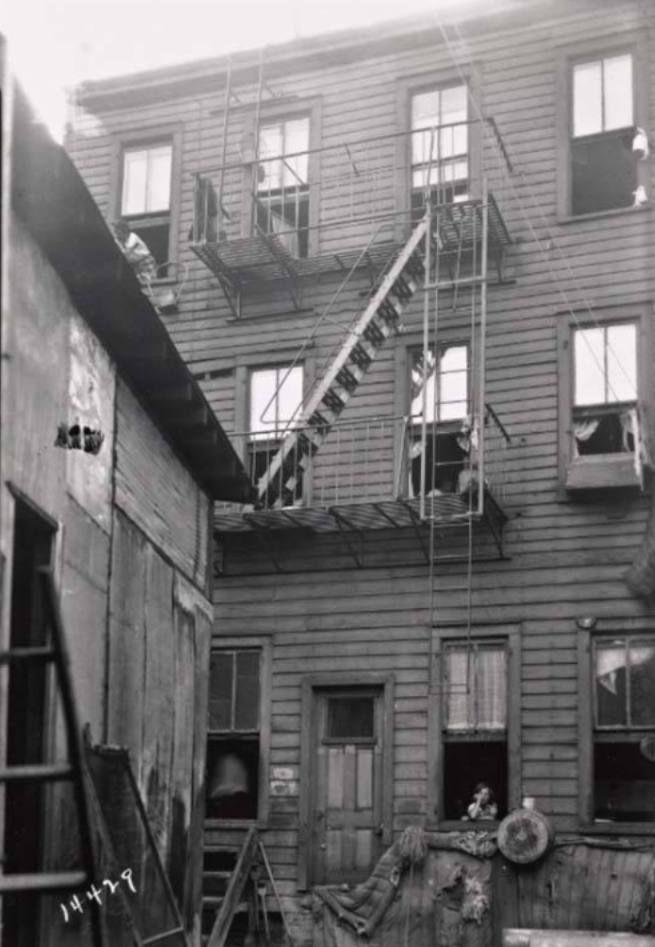
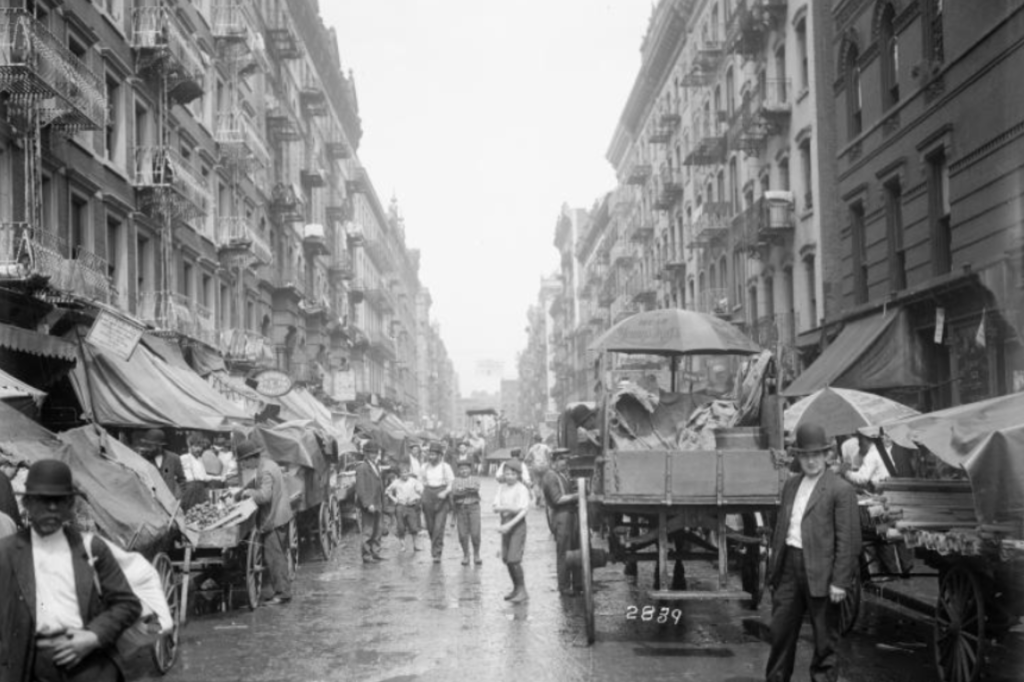
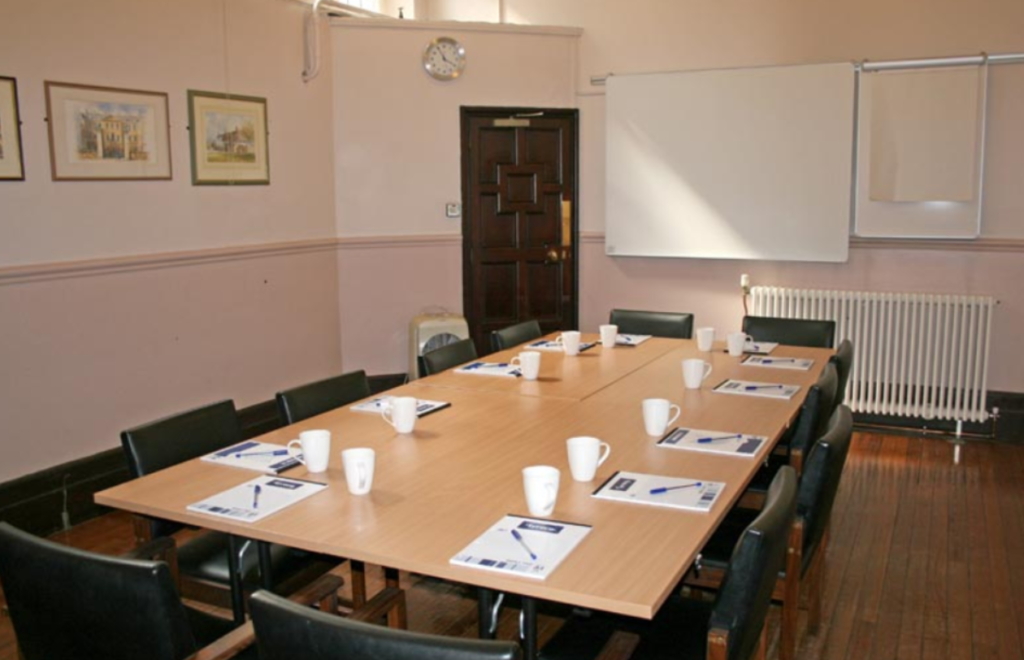
After our first meeting, we were tasked with researching El-track lines, NYC boroughs/neighborhoods, and hypothesizing where the murder may have taken place (to the best of our ability). Here is my hypothesis:
The Bronx has pretty much always been the NYC borough with the highest crime rates, especially in the southern parts. In 1924–20 years after its initial opening–the IRT (Interborough Rapid Transit Company, pictured right) built a series of subway and elevated trains spanning between the boroughs, including an elevated track that traveled right through the bottom portion of the Bronx; specifically up to (what was then) 210th street.
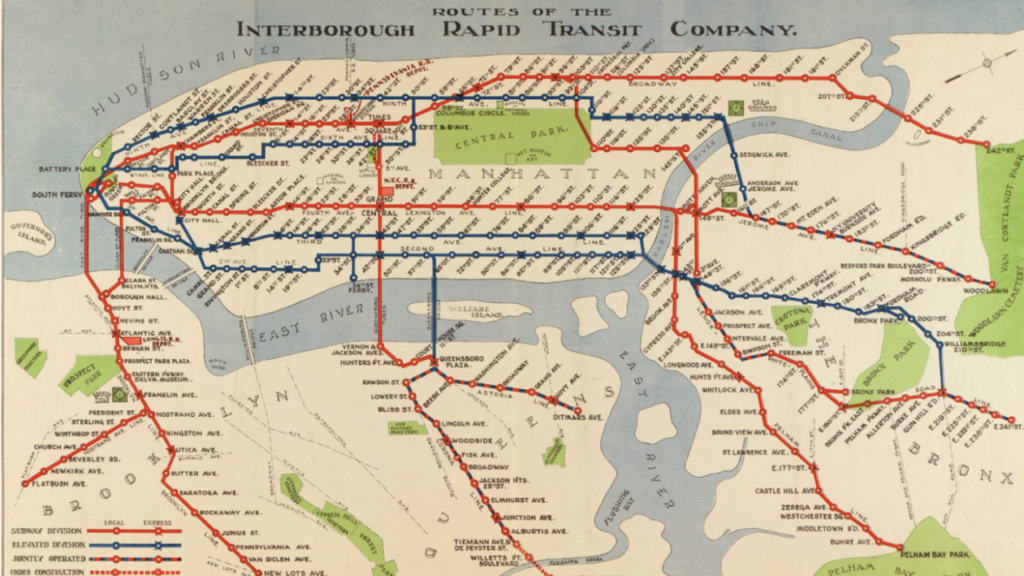
I found that by the end of the 1950s, the South Bronx was two-thirds African American or Hispanic (of any race). This leads me to believe that in the mid to late 50s, while the neighborhood was likely struggling economically, it was also populated by a number of ethnic or immigrant groups–which would explain why some of the characters refer to the boy as “one of them.” It is important to note that the text nor our production purposefully does not support any specific stereotyping of the boy in question or “those people,” as some characters will state. Overall, I think it’s safe to assume that in the South Bronx, in a small-slum neighborhood, where an elevated train track travels up the center, in a tenement apartment between 133rd and 210th street (within about a 1-block radius), the murder in question could have taken place.
Here’s a fun one, for this show, a couple of castmates and I explored getting ready for performances/rehearsals with the help of a character playlist. I haven’t made one of these in a very long time, but opted to give it a go for Juror #7!
Here is another link I used to help me brainstorm new or unique actions to take throughout the play; List of Actions to Inspire
As I mentioned in my early journals, I used Quizlet to help me memorize my cues and the lines that followed. Here are the links to those study sets for your perusal! ACT 1 LINES LINK, ACT 2 LINES LINK, ACT 3 LINES LINK
Also, here is the aforementioned WIkihow link on how to smoke a cigarette: https://www.wikihow.com/Smoke-a-Cigarette